

Farzin Foroutan, the Iranian-born photographer now rooted in Berlin, crafts his world in the soft interplay of being seen and choosing to linger in shadow. Migration has revealed to him that presence is not simply about exposure, but about how presence can be negotiated. Change is the rhythm of his days; identity, a fluid translation forever in motion. In his images, the body—often his own—becomes both subject and boundary, veiled not to vanish but to claim quiet agency. Invisibility is a chosen form of presence; opacity, a gentle shield that still invites connection. Every photograph is a search for a sense of coherence that keeps slipping away, a quiet call to pause, to look closely, and to find the shared pulse between his story and ours. Let us now begin the interview with the artist
Your practice often blurs the boundaries between visibility and absence. Could you begin by introducing yourself and sharing how your artistic journey began within this tension between presence and disappearance?
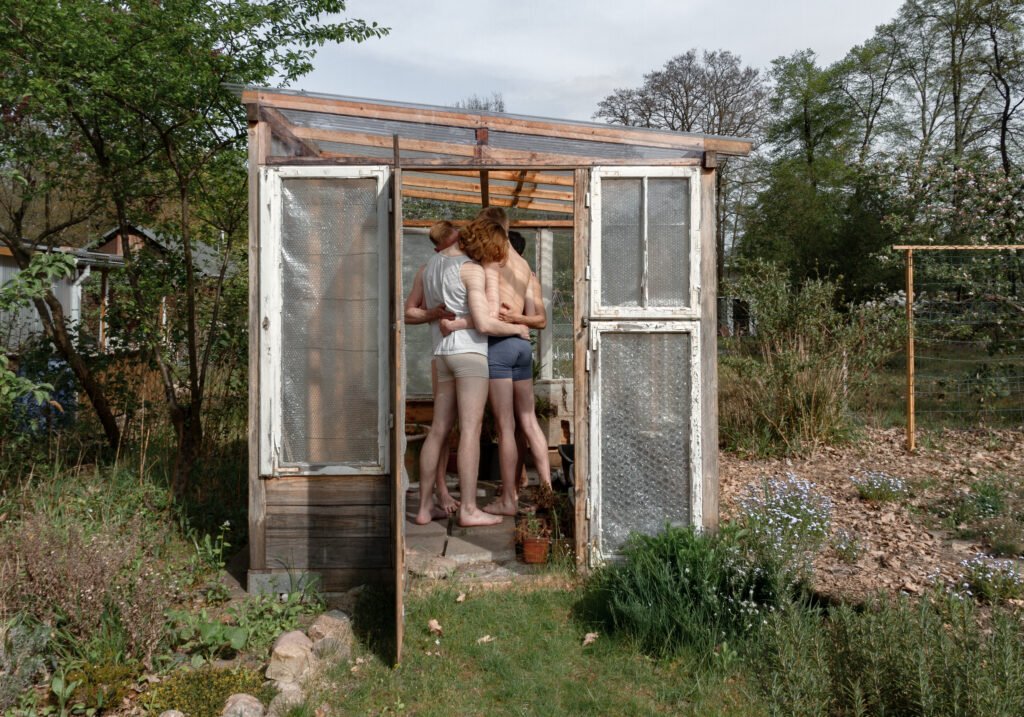
I’m Farzin Foroutan, a photographer and visual artist from Iran, currently based in Berlin. My practice has always existed between what’s visible and what resists being seen. Photography drew me because it mirrors that paradox; it reveals and conceals at once. This duality echoes my own experience of migration, being present yet partly invisible. Over time, I realized that visibility is not simply about exposure, but about how presence can be negotiated. Sometimes disappearance itself becomes a form of presence.
Your photographic narratives frequently explore adaptation and transformation. What draws you toward the idea of change—both as a personal experience and as a social condition?
Change has been a constant in my life, geographic, cultural, and emotional. It’s not just a subject but a condition I inhabit. Personally, adaptation can feel like both survival and loss. Socially, it reveals how people and systems reshape themselves under pressure. In my images, I try to capture that fragile state between becoming and vanishing, where forms dissolve, reappear, and transform. It’s a visual language of transition, accepting that nothing, not even identity, stays still.
Migration, belonging, and identity seem to echo through your visual language. How do these experiences inform your perception of self and your artistic choices?
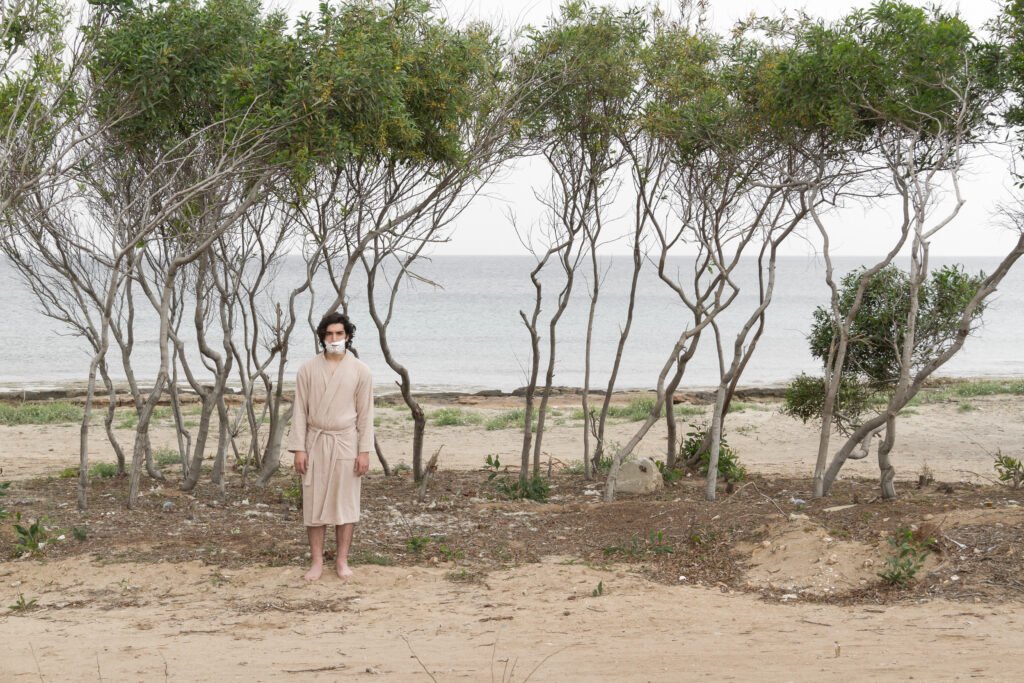
Migration taught me that belonging is rarely permanent; it’s a negotiation. Living between cultures reshapes how one sees both the self and the world. I became aware of how perception shifts depending on where you stand and who is looking. My compositions often reflect that fragmentation, layered, ambiguous, and open to multiple readings. Rather than defining identity, I try to inhabit its instability, to let uncertainty remain visible.
In many of your works, the human figure is both revealed and concealed. How do you interpret this duality between exposure and protection?
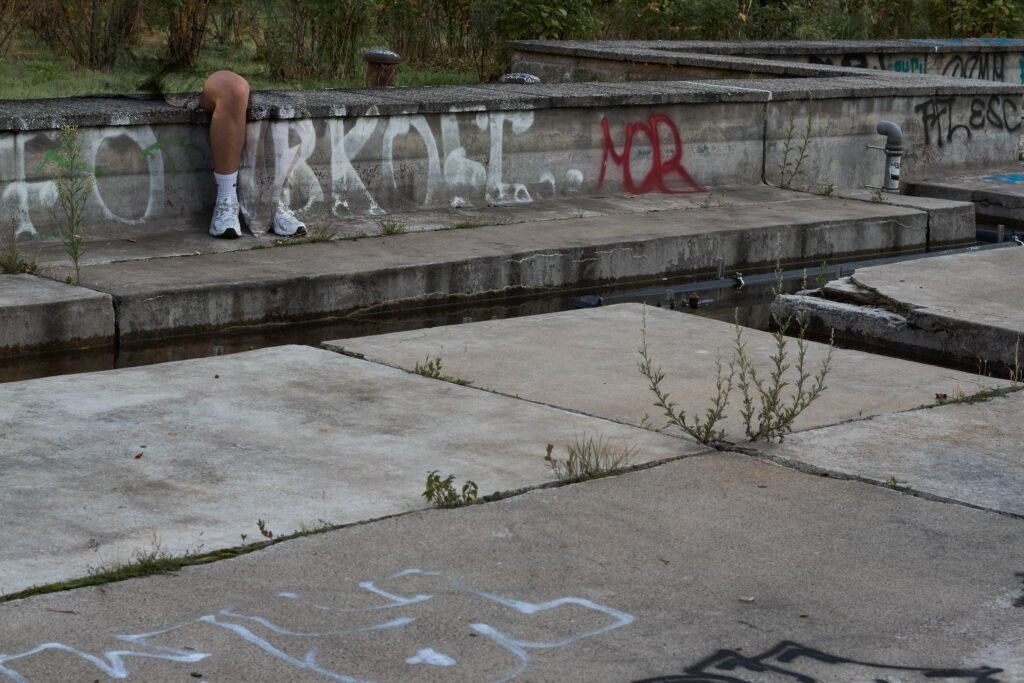
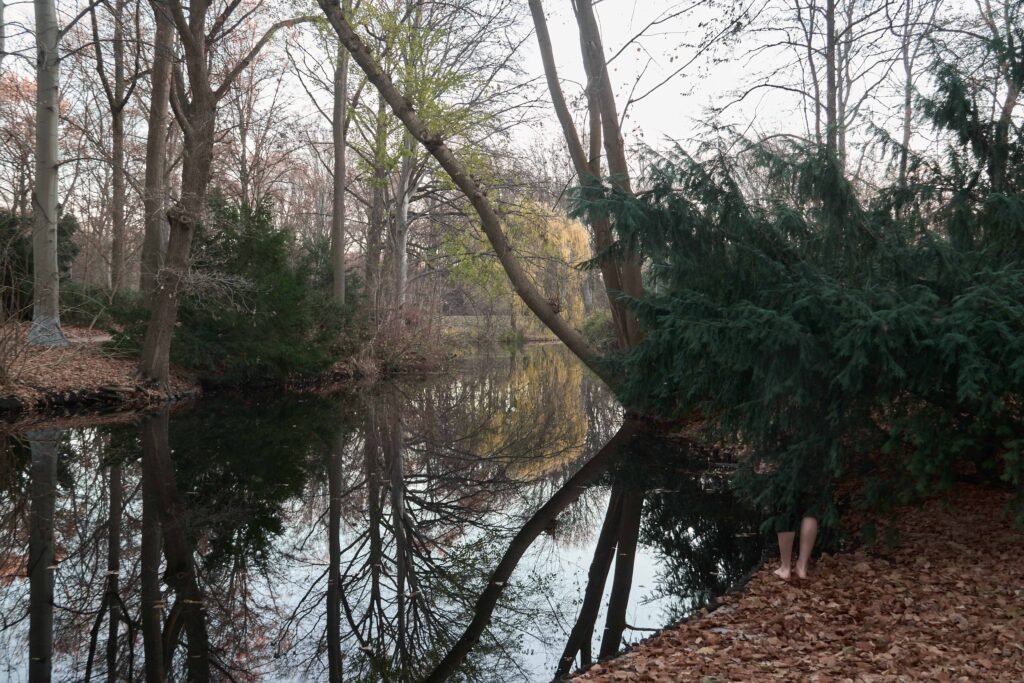
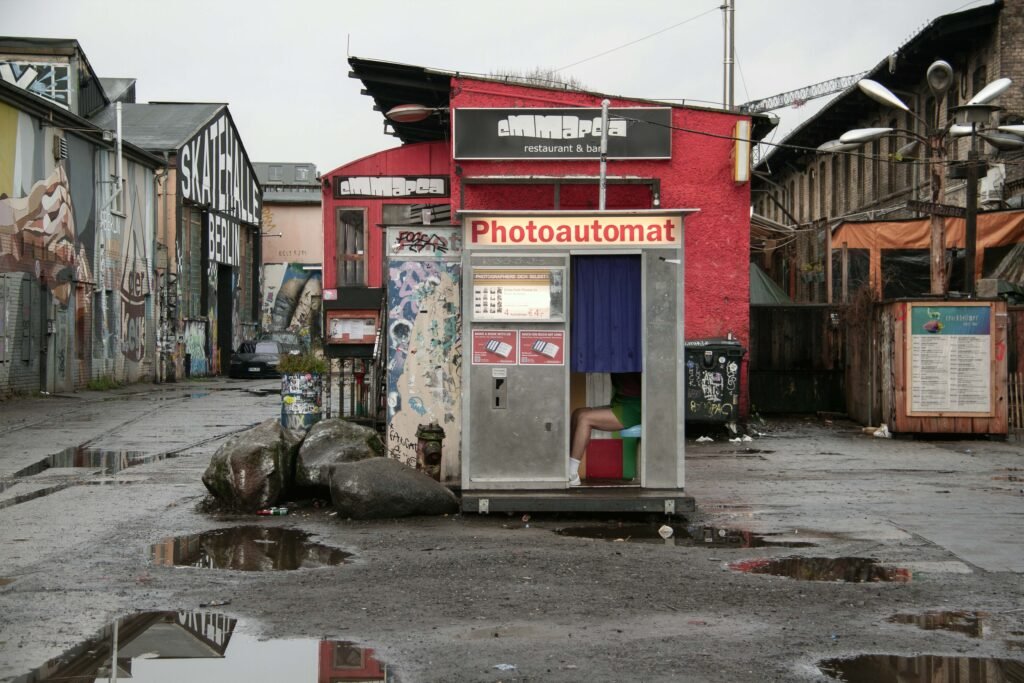
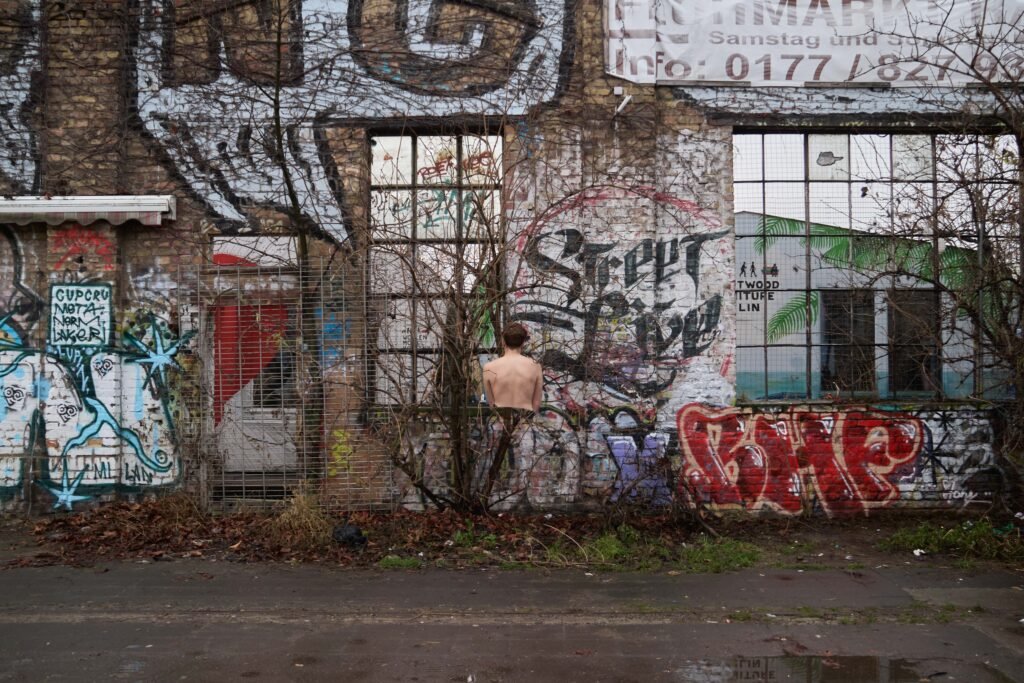
That duality represents vulnerability. To expose oneself is to risk misunderstanding, but total concealment erases presence altogether. When I photograph the body, often my own, I treat it as both subject and boundary. Gestures of covering or blending into the environment become acts of agency. Protection, for me, isn’t the opposite of exposure; it’s embedded within it.
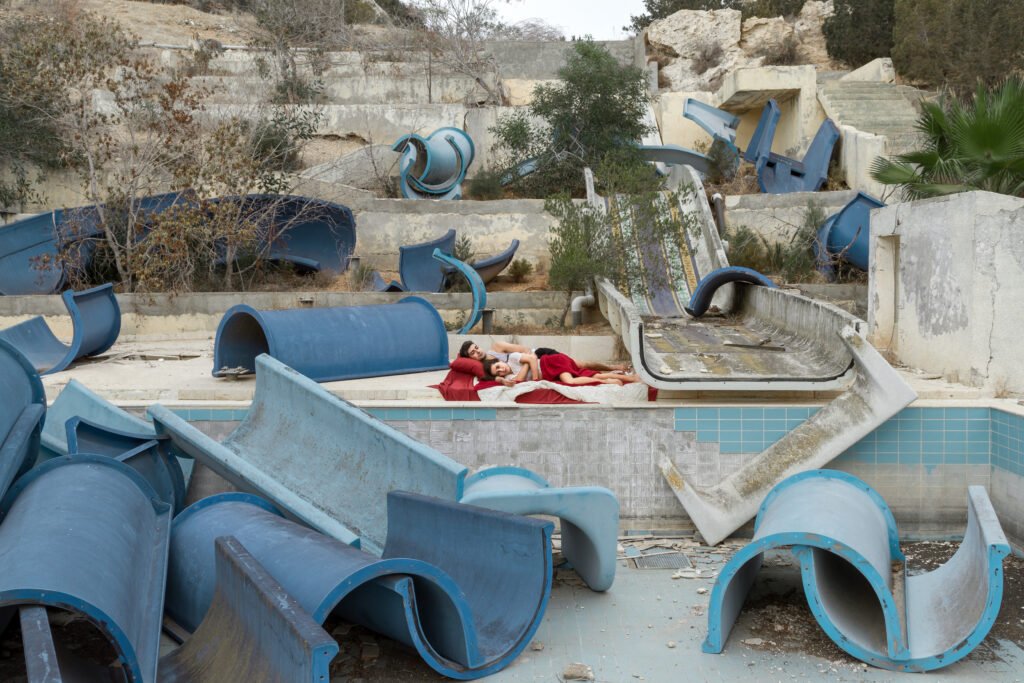
Do you see the act of camouflage—both physical and emotional—as a survival instinct, or as a silent negotiation with the world around you?
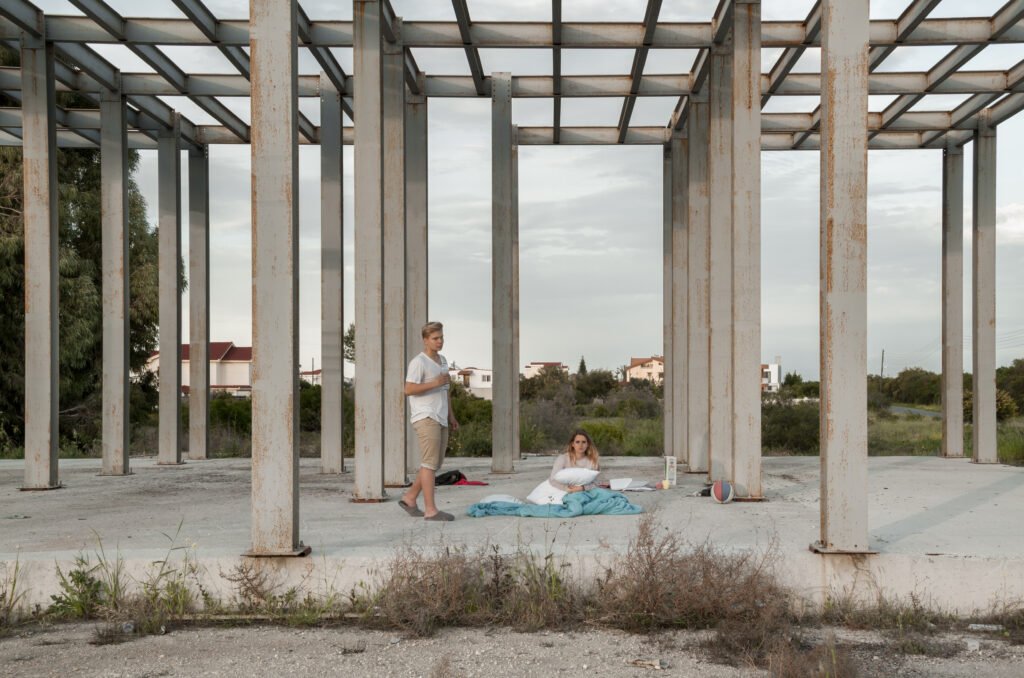
It’s both. Camouflage began as instinct but evolved into negotiation, a way to exist within systems without losing oneself. In my work, camouflage is less about disappearance and more about transformation, adapting one’s surface to reflect or question the environment. It’s the space where invisibility and presence overlap, survival turned into subtle communication.
Your projects often portray identity as something fluid rather than fixed. How do you personally experience this fluidity in your own life between cultures and contexts?
Living between languages and places has made me aware that identity is a process, not a definition. I often feel both participant and observer, moving between roles without belonging entirely to any. This fluidity allows me to shift between aesthetics and ideas freely. It can be disorienting, but it’s also liberating, a state of constant translation rather than arrival.
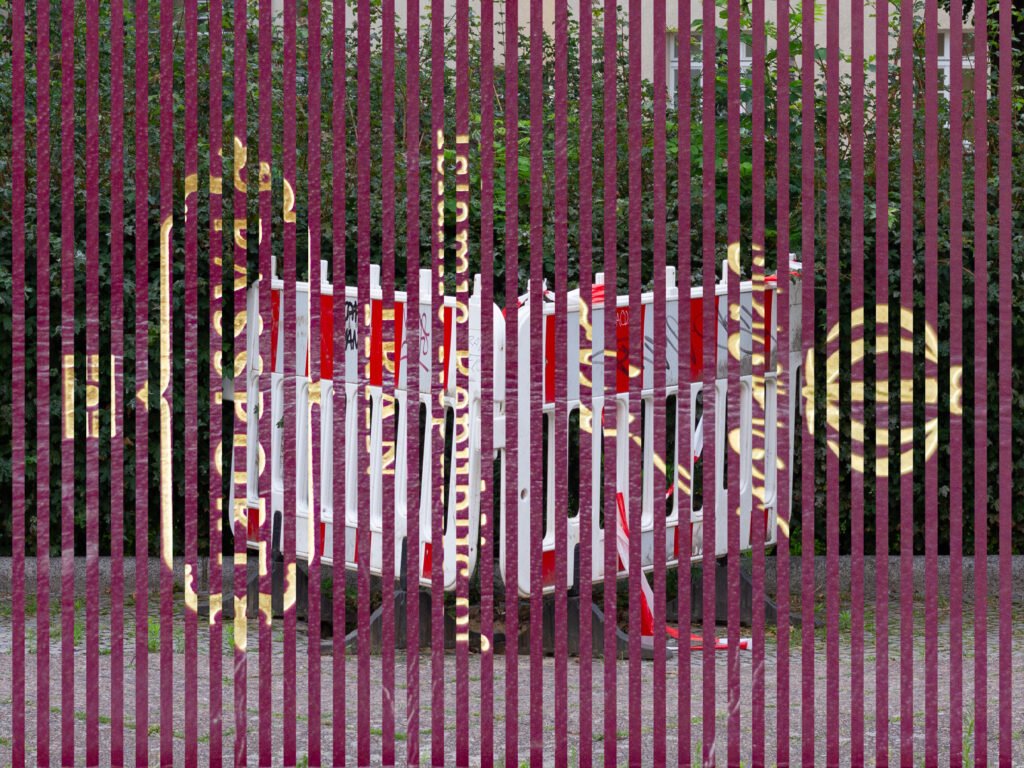
There’s a sense of quiet resistance in your images—a refusal to fully blend in. Do you think art has the power to challenge the social pressure to conform?
Resistance doesn’t always need to be loud. Ambiguity, withholding, or silence can be powerful forms of dissent. Art has the ability to question visibility itself, to create space for multiplicity without the demand for clarity. That quiet refusal to simplify feels to me like an honest, necessary act of resistance.
How do you approach the balance between the personal and the collective in your storytelling? Where does your story end and the viewer’s begin?
My work begins from the personal but opens toward the collective. Each image is an intersection, a meeting point between my experience and the viewer’s projection. I try to leave space for others to enter, to read themselves into the work. A photograph shouldn’t close meaning; it should remain porous, allowing stories to overlap.
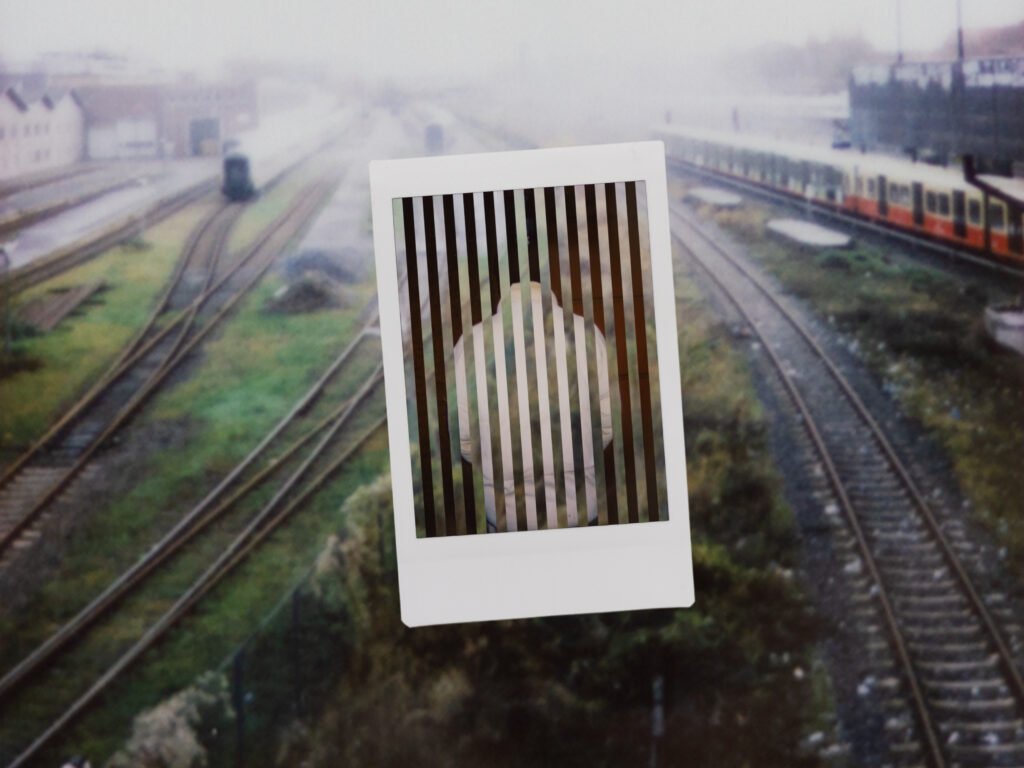
Your imagery often evokes introspection rather than spectacle. Do you think invisibility can sometimes be a form of expression?
Absolutely. Invisibility is not absence; it’s a chosen form of presence. When something is withheld, it demands a slower, more attentive gaze. In my work, invisibility becomes language, a quiet form of expression that resists consumption. It invites the viewer to look, not to decode, but to feel.
If we see camouflage as a metaphor for living in today’s complex world, what would “authentic visibility” mean to you?
Authentic visibility means having agency, the ability to choose how and when to be seen. In a culture obsessed with exposure, authenticity may lie in opacity, the right to remain undefined, to exist beyond the frame of constant visibility. True visibility, for me, is when one’s complexity is allowed to exist without reduction.
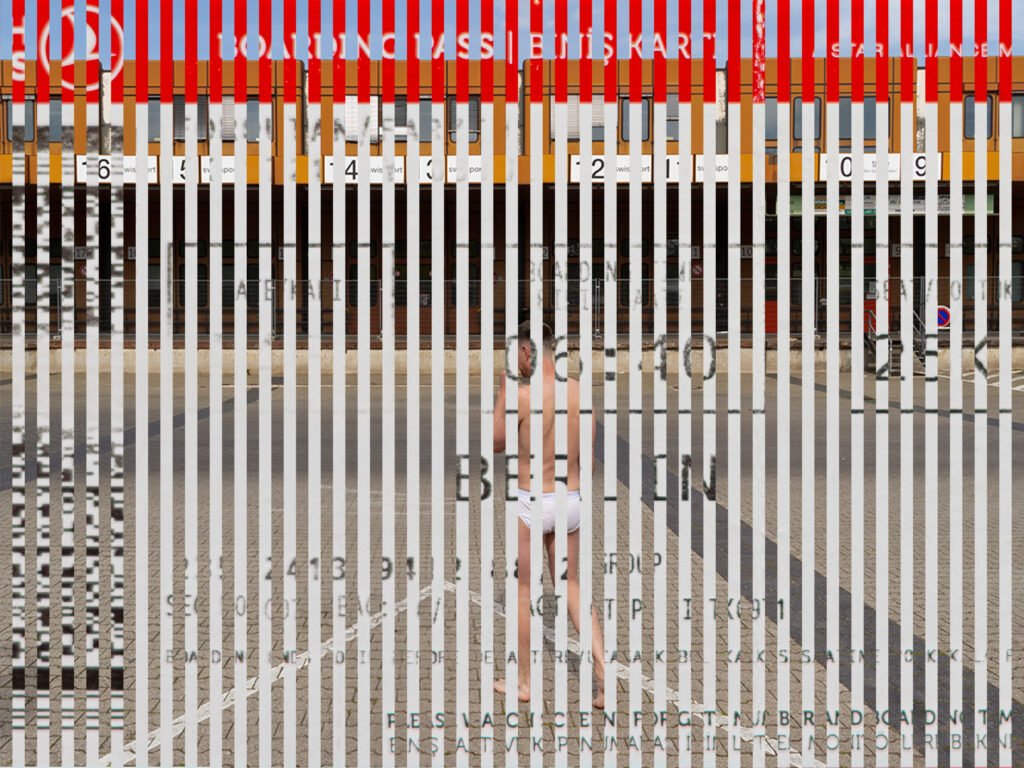
In an age obsessed with visibility, you seem to create images that resist total perception. Is this resistance a critique of how the world demands exposure — or a search for intimacy within opacity?
Perhaps both. We live in a time where exposure has become currency; everything must be shown, explained, and consumed. My work resists that demand. Opacity can be a gesture of care. It invites trust, slowness, and intimacy. So yes, there is resistance in my work, but it is also a search for closeness that can exist within distance, for connection that doesn’t require full transparency.
Finally, is there something you have never said before — a thought, a memory, or a truth — that you would like to voice here for the first time?
Art, for me, began not as expression but as translation. When I left Iran, words started to lose precision; they no longer carried what I meant. Photography became my alternative language, a way to speak through silence. Every image I make is a search for home, not a place, but a sense of coherence that keeps slipping away. And perhaps saying this here, through language, through technology, through this quiet collaboration between human and machine, is another way of continuing that search.

Connect with Farzin Foroutan:
Instagram: farzinforoutan
Website: farzinforoutan
Interview by Behnam Raeesian
………………….
Curious about what inspires today’s artists?
Stefan Fähler’s Vibrant Artistic Pulse
Gohar Dashti: Photography’s Poetic Memory