
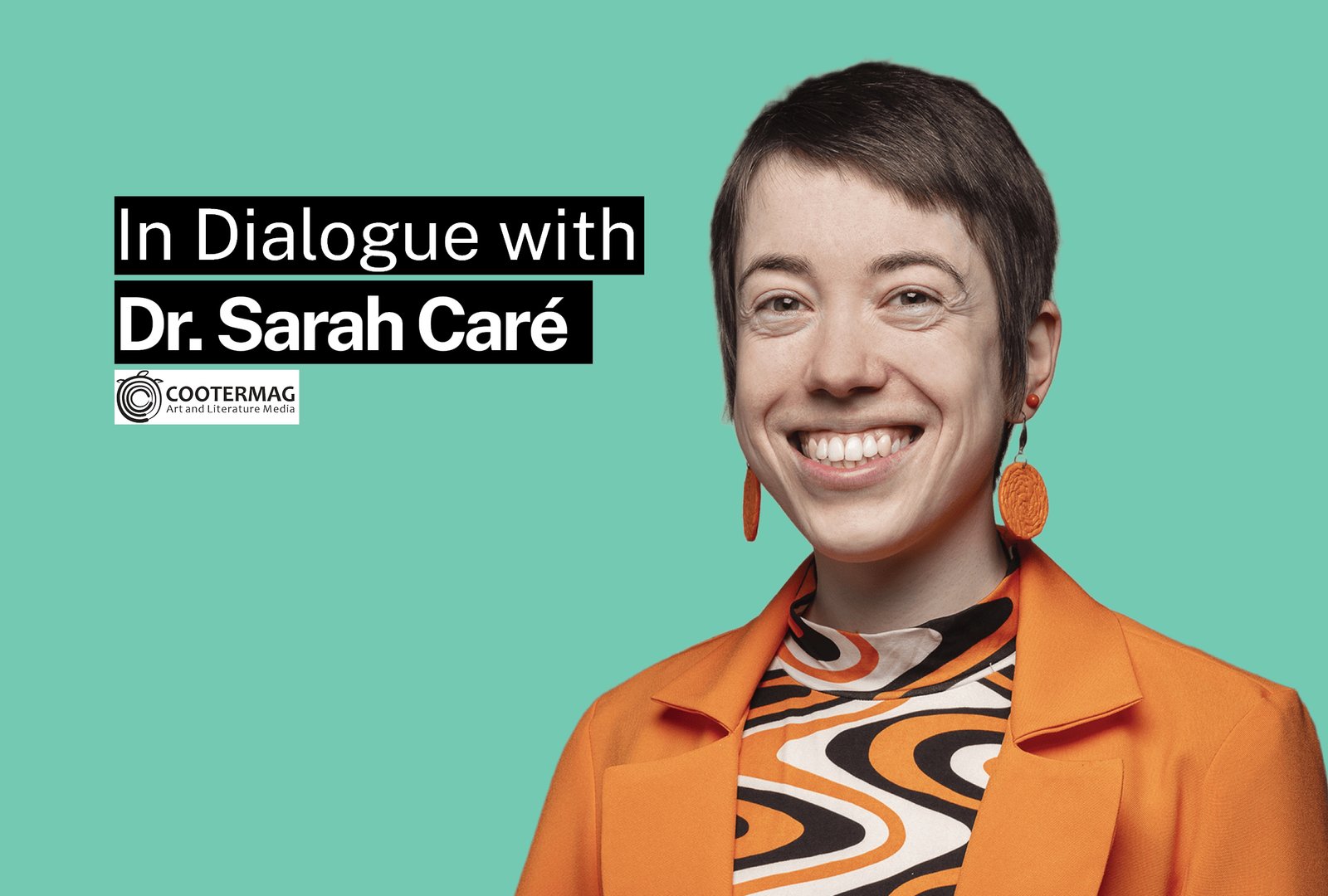
Dr. Sarah Caré, is a postdoc scholar at Charles University, Prague, Czechia. She is a talented illustrator and at the same time, a wonderful scholar in Children’s Literature. Her research interests cover analysis of children’s books, children’s nonfiction, motherhood studies, matricentric feminism, and media representation. In 2025, she was awarded the 2025 IRSCL Visual Conference Reporter Award. She is currently part of the WONDRE research group at Charles University.
It’s a great opportunity to get acquainted with one of the most creative illustrators and scholars in Children’s Literature. Dr. Caré, thanks for accepting Cootermag’s interview invitation.
1. Could you please tell us a little about yourself? What would you like to share about your background and early experience to help readers get a better sense of who you are?
I am currently a postdoctoral researcher within WONDRE, a project funded by the European Research Council. We study how children engage with factual information in their life and in their reading. I also have many years of teaching experience, which shapes the way I do research.
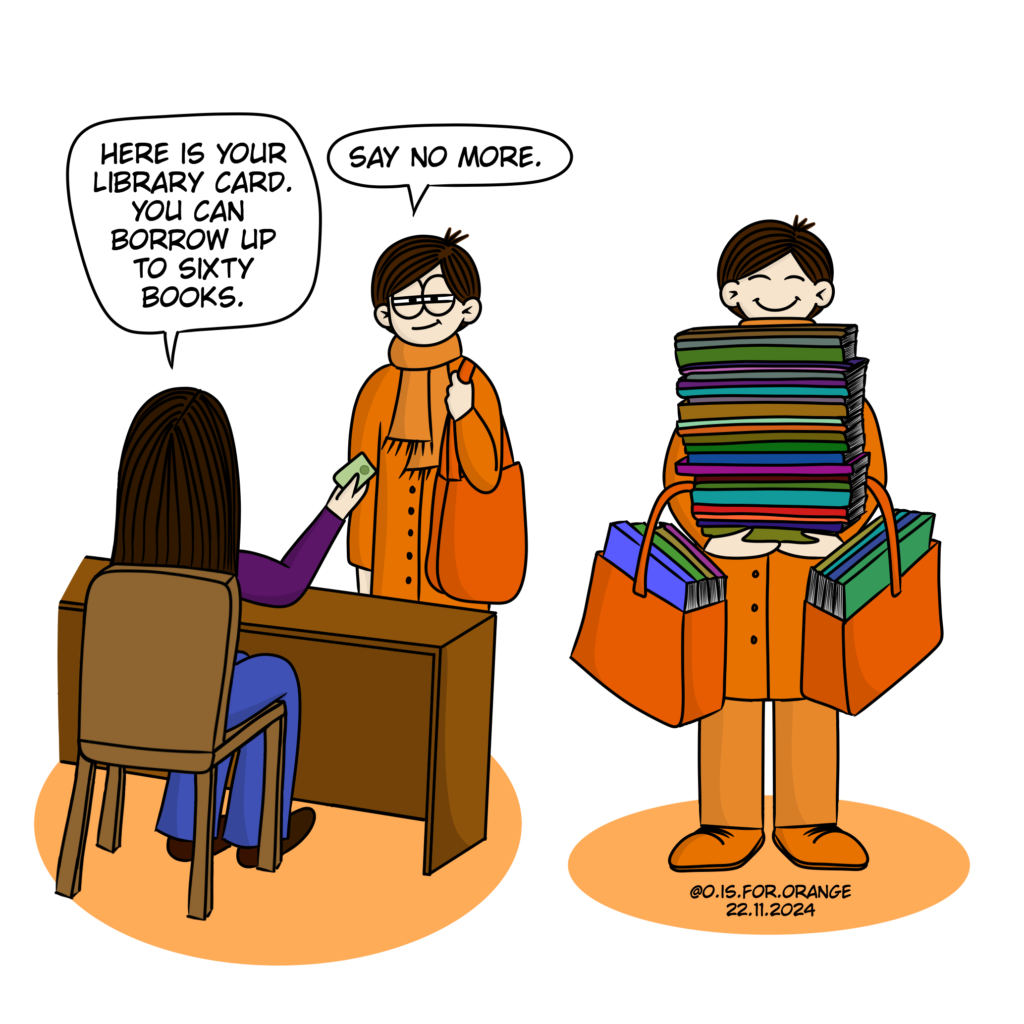
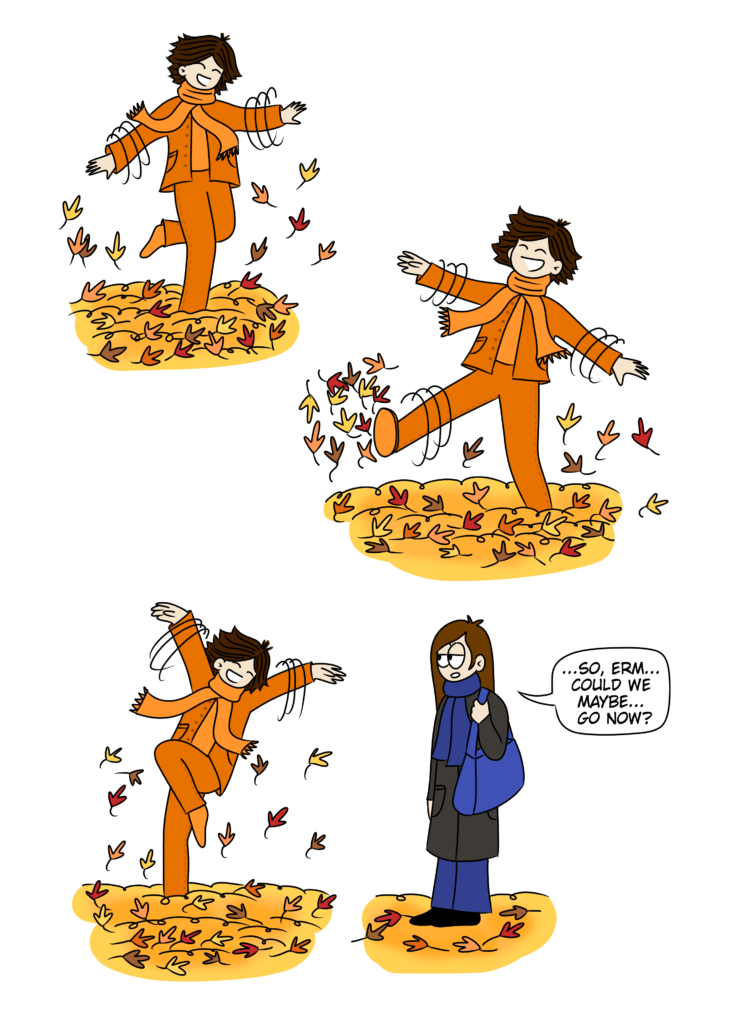
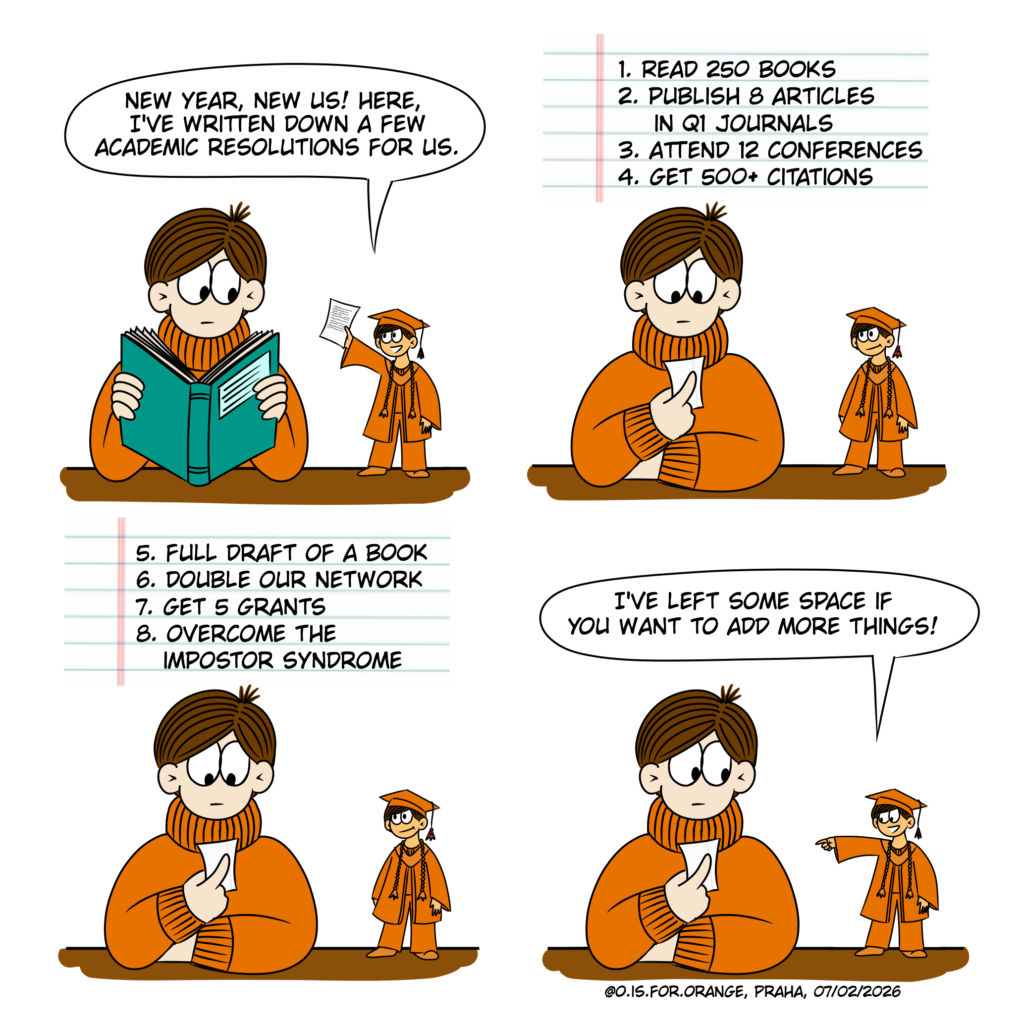
I have always loved drawing, writing stories, reading, knitting, watching animated movies, singing, and playing the flute since I was a child. I feel blessed that my parents always encouraged my creativity. Now as an adult, I am constantly thinking about how I could draw what is happening to me and around me, how I could make it memorable. I take notes on small pieces of paper, in my phone, in the palm of my hand, at the back of supermarket receipts: things I see, things I hear, things that surprise me, things I want to remember… These notes are like puzzle pieces of my experiences. Apart from drawing scenes from my everyday life, I also take visual notes at conferences and I have created Academic Me, an alter ego with whom I talk about life in academia.
2. How did you find your way into Children’s Literature? What pushed you toward this field of study?
As a child I was an avid reader of children’s books of all formats and genres. And this passion grew stronger with time! Still today, I remember many books that shaped the way I see and understand the world. Many years later, children’s literature became a part of my academic journey with my master’s thesis, which was a feminist analysis of Roald Dahl’s children’s books. And then I was lucky to continue with a PhD on the portrayal of mothers in children’s literature.
After decades of being considered a “lesser” field of research, children’s literature is finally being taken seriously and it is finally given the attention it deserves. Beyond language skills and cognitive development, children’s books enhance empathy, curiosity, creativity, and critical thinking. They are a safe space for children to imagine, explore, and reflect. And this is exactly what motivates me in my research every day.
3. You’ve also been a fellow at the International Youth Library (IJB) in Munich. Could you please tell us what your research was about?
I was incredibly lucky to be a fellow at the International Youth Library, which is the world’s largest library for international children’s and youth literature. I spent three months there as part of my doctoral studies. During my stay, I read 45 middle-grade fiction books (for readers aged 8 to 12) published between 2010 and 2024 in ten countries and four languages (English, French, Spanish, and Czech).
My framework was matricentric feminism, which is a feminism centred on mothers’ needs, struggles, and rights. I analysed my corpus through a matrifocal lens and I focused on three aspects of literary mothers: 1) their presence or absence, 2) how they are portrayed and described, and 3) how they behave and interact with other characters.
Spoiler alert: the representation of literary mothers was overwhelmingly negative, with mothers falling into the following three broad categories: absent mothers are uninterested, kidnapped, deceased, or have abandoned their family; mothers who are victims of domestic abuse, who suffer from mental health issues, or who are sick and/or dying are portrayed as weak mothers; and wicked mothers are heartless, irresponsible, or violent.
Society and children’s literature inform, mirror, and shape each other. Young readers internalise what they read, which is why the representation of mothers in literature and in media in general is so important.
You can read the comic I drew after my stay at the IYL at the bottom of the following page: https://www.ijb.de/en/fellowship-programme/fellowship-programme
4. As an illustrator, could you explain how you look at the world? How does this lens influence how you see youth and the things produced for them?
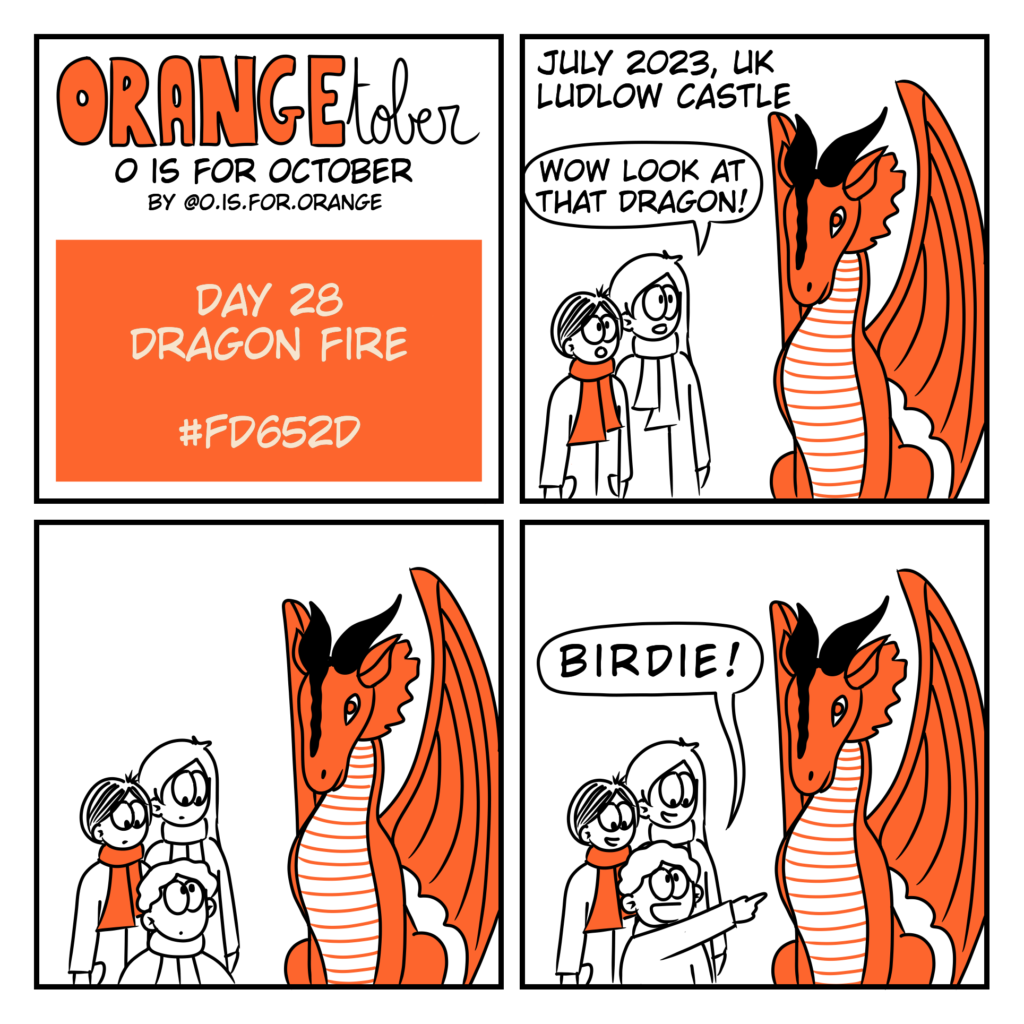
I feel like my comics and children’s literature share two main characteristics. First, there are based on assumptions about readers. I draw differently whether I plan to keep it for myself or to share it with others. If I plan to share a comic, I try to make it funny and relatable; I think about what might be expected, what readers might feel, what they might take from it. Children’s literature works in a similar way: it is very adult-centric because adults write, illustrate, choose, and buy books for children. There are assumptions at every step: what do we, as adults, think child readers might or should be interested in?
The second thing is that I strive to draw small things that mean a lot. Behind my everyday scenes, there are bigger meanings. And that is also true for children’s literature: a character, a plot twist, a dialogue can all carry bigger messages, and it is important to show children how to see, interpret, and evaluate such messages.
5. What do you think of the future of Children’s and Young Adult Literature in the world?
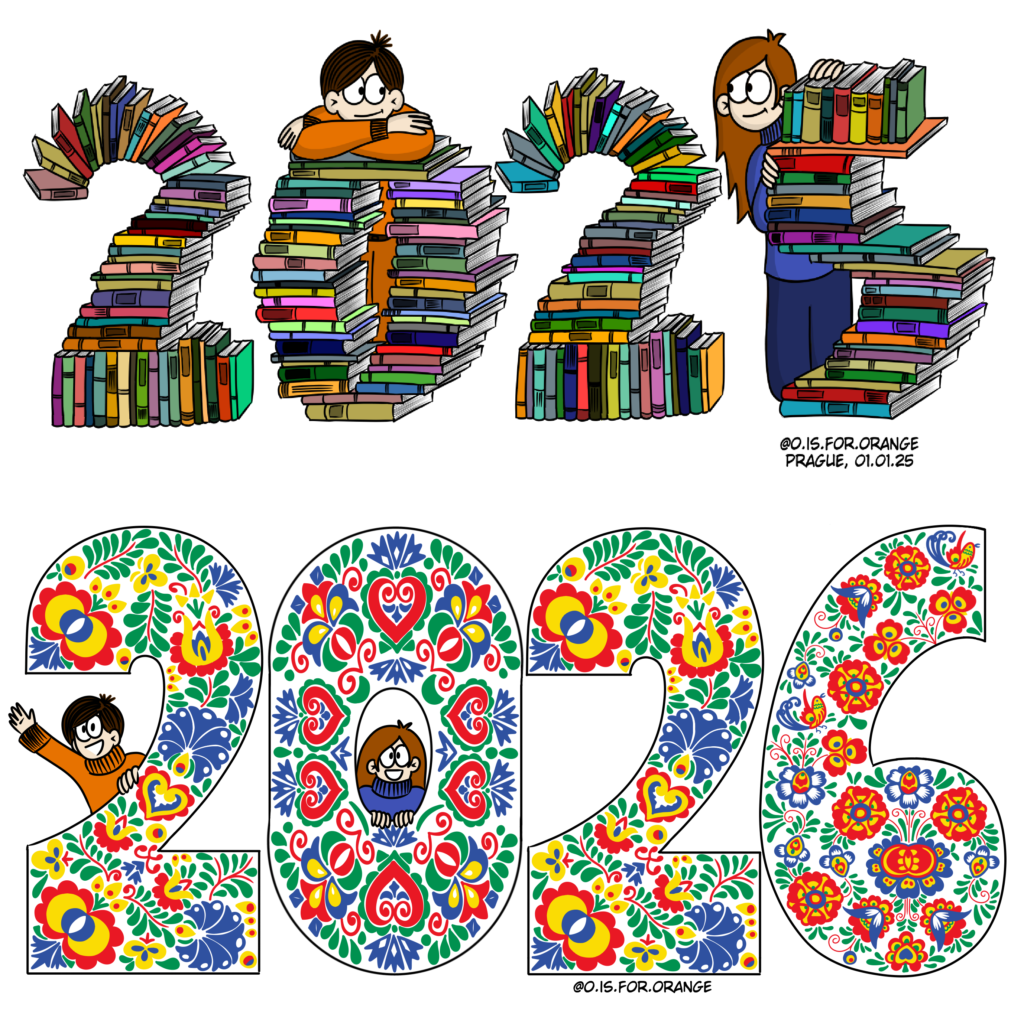
I can only speak about the contexts I am more familiar with. From what I see in Europe, Chile, or the USA, I have mixed feelings regarding the future of children’s and YA literature. On the one hand, I see the book bans, the increasing censorship, the budget cuts in publishing, education, and public libraries, the book deserts, and the difficulty for independent authors and publishers to strive. And I think: “Oh, this does not look good.” On the other hand, I see all the creativity displayed in new children’s books, the growing diversity, the play with multimodality and formats, the numerous projects with children and books, and young readers’ capacity to reflect on their reading. And then I think: “Maybe it won’t be so bad after all.”
6. As for our last question, what’s the message you’d like to give the whole world?
That is quite a challenging question! At the risk of sounding cheesy, I really wish people could listen to each other and put their egos aside – this would avoid so many problems and conflicts. We should also read more children’s books, talk about them with children, and learn from both the books themselves and from what the children tell us about them.
Interview conducted by: Dr. Johari Murray and Dr. Neda Farnia
CooterMag editors
Further Information & Links: https://www.researchgate.net/profile/Sarah-Care