
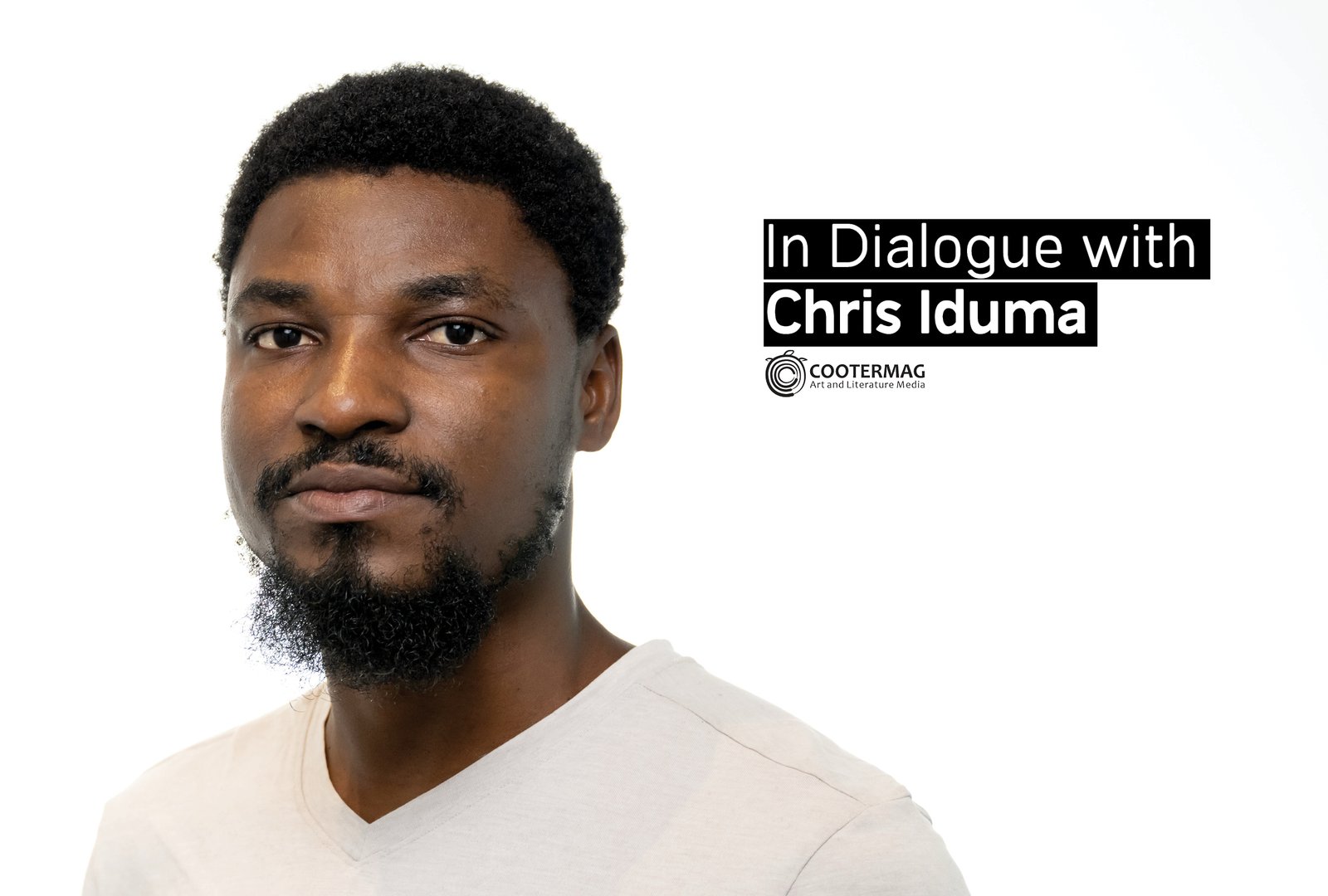
Chris Iduma, poet of light and shadow, wields a lens not to command, but to listen deeply. He sees the subject as the true message, stepping back as a humble witness to let the intricate, non-linear layers of identity rise and breathe on the frame. Black and white draws him in, for it strips away veils, revealing truth with a transparent emotional weight that color sometimes softens. His images form a quiet yet profound visual protest—a contemporary dance of perspectives that echoes the legacy of African photographers while gently resisting the rigid structures of today. With every shutter click, he guides us to a hidden mirror, inviting us to feel the invisible threads that weave humanity together and, in their silent resonance, discover deeper truths within ourselves.
Now, let us delve into the full conversation with this remarkable artist.
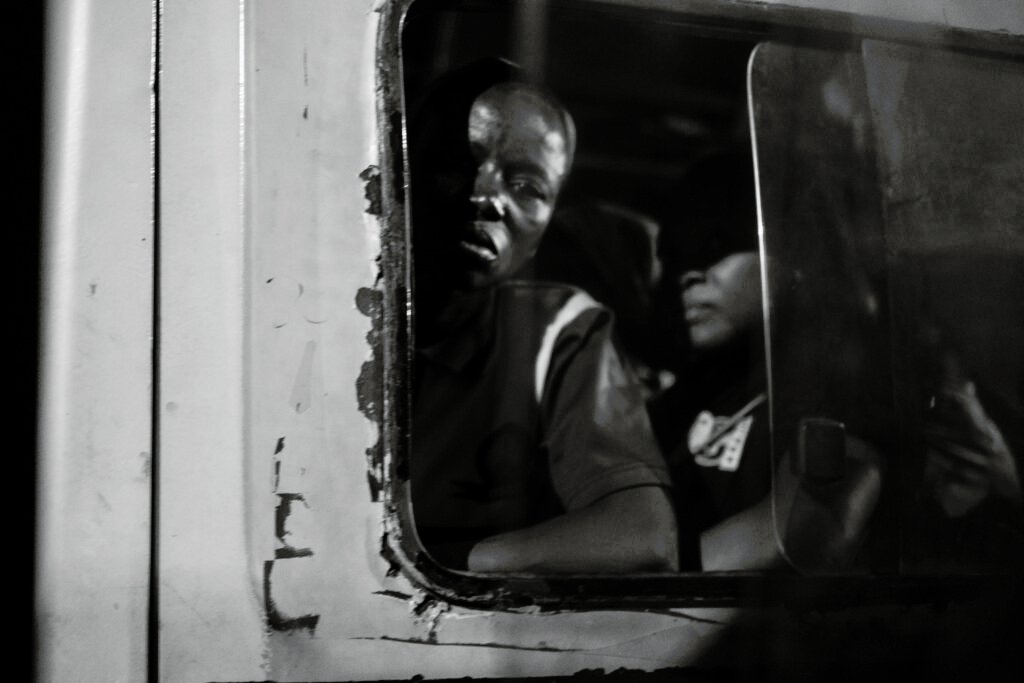
Could you introduce yourself and tell us about your journey as an artist?
I grew up in the Eastern region of Oto-Awori land in Lagos, a small community where Yoruba ritual (Oro and Egungun) and festivals were central to daily life. My dad owned a small camera he photographed my older brother and I with growing up but would later lose it when I was around 5 years old. That was my earliest memory of photography growing up but it was never an occupation I could associate with a professional practice. When I found photography in my early adult life, it was the access to people and places that fascinated me and my work has revolved around these ever since.
How do you approach capturing the essence of your subjects, and what do you believe makes a truly powerful photograph?
My philosophy is that the subject makes the photograph. It is that poetic mix of a striking and interesting feature, background, story and perspective that drives me to photograph a subject. With that, everything else moves very quickly as I hardly know how to or want to direct my subject. Portraiture, even photographing in general, is a process of representing layers of the subject, where the unfamiliar and unseen settle at the top. So, I will establish in the beginning that I am not necessarily interested in making a beautiful image.
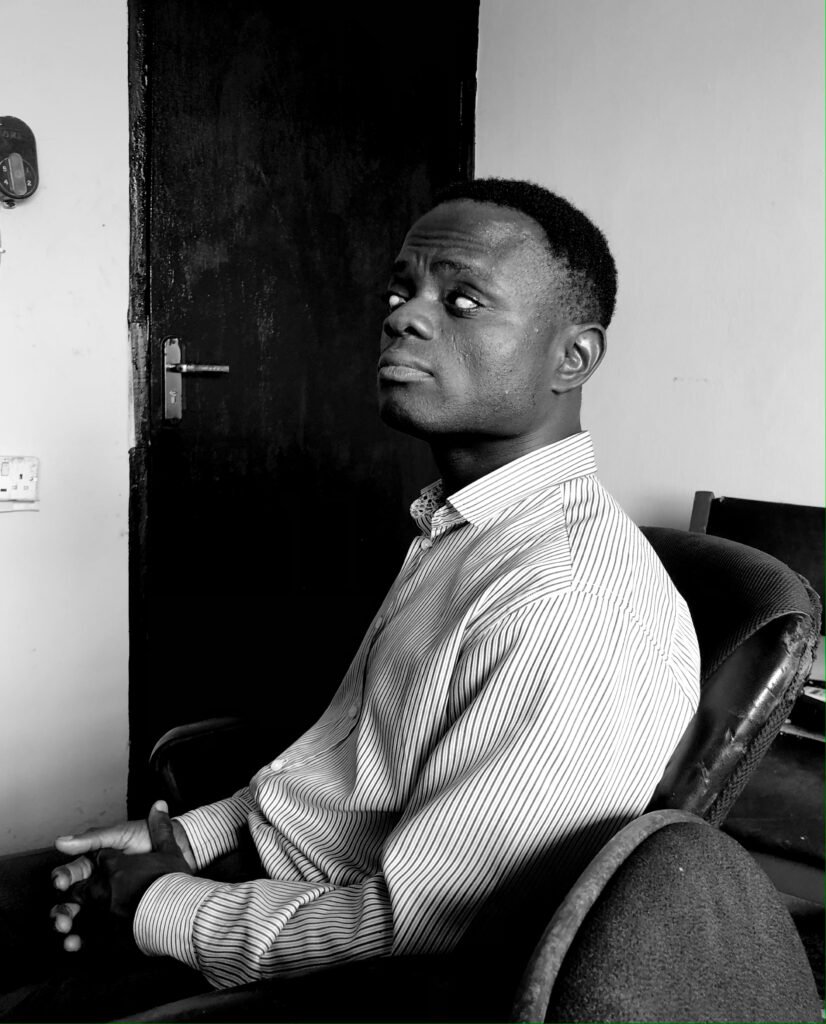
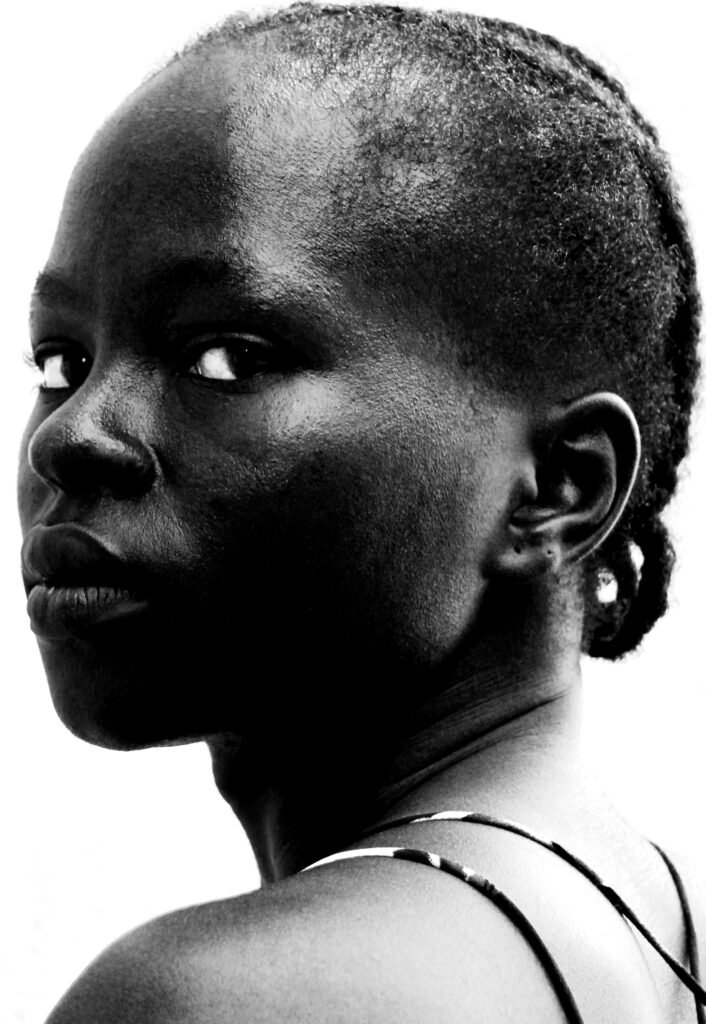
Your work often revolves around the concept of human identity. What do you find most intriguing about the human experience that you feel needs to be captured or explored through your photography?
‘Identity is not linear’ has been my guiding force. We are intricately layered, and that complexity is what I find compelling to explore as the things that unite us are largely invisible. Like a map, identity often leads us back to our interconnectedness. There is something about the relationship between subject and context that opens up the full spectrum of human experience—how culture, socio-political realities, and psychological states shape us, and how we, in turn, respond to or reshape them. This includes both one’s formative context and one’s awareness of others. In my work, a sense of literal ‘otherness’ often serves as the departure point for the layered explorations I imagine.
What role does the context of the subject play in your photography? Do you think the environment shapes the story as much as the person does?
I like to think of my work as a meeting point between perspective, context, and culture. When your practice functions as a form of visual protest, whether through examining identity, history, or socio-political structures, context becomes essential for revealing nuance. It is the place where the subject is situated, and nothing can be fully understood outside its context, original or otherwise. Context goes beyond physical space; it encompasses everything that shapes a person’s consciousness and unconsciousness. The relationship between people and their environment influences what they pay attention to and, in turn, how they shape that environment back.
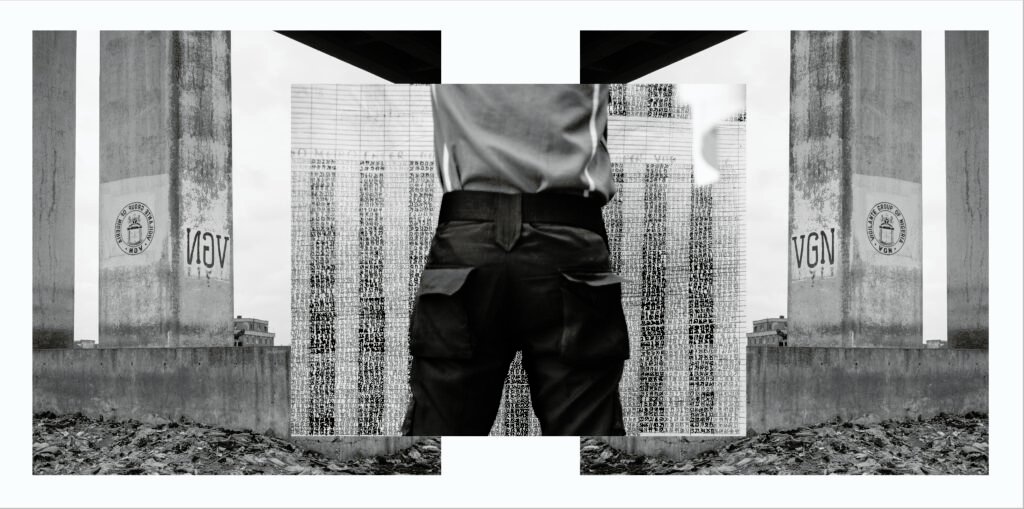
How do you navigate the balance between capturing authentic moments and maintaining the artistic integrity of the image?
An authentic moment is a great starting point for maintaining artistic integrity. The balance for me is working with a unique visual language that makes it personal.
In your work, how do you decide when to step back and let the subject take control of the narrative, versus when to guide the image with your own vision?
The subject is the message. It is a very unique part of each subject that guides me throughout the entire process of imagining and making; whether a human or a place. In the instance where I already have my own vision or sketch for what I want to achieve, like in my ‘Self-Portraits’ series, it is what the subject brings into the process that determines the final outcome.
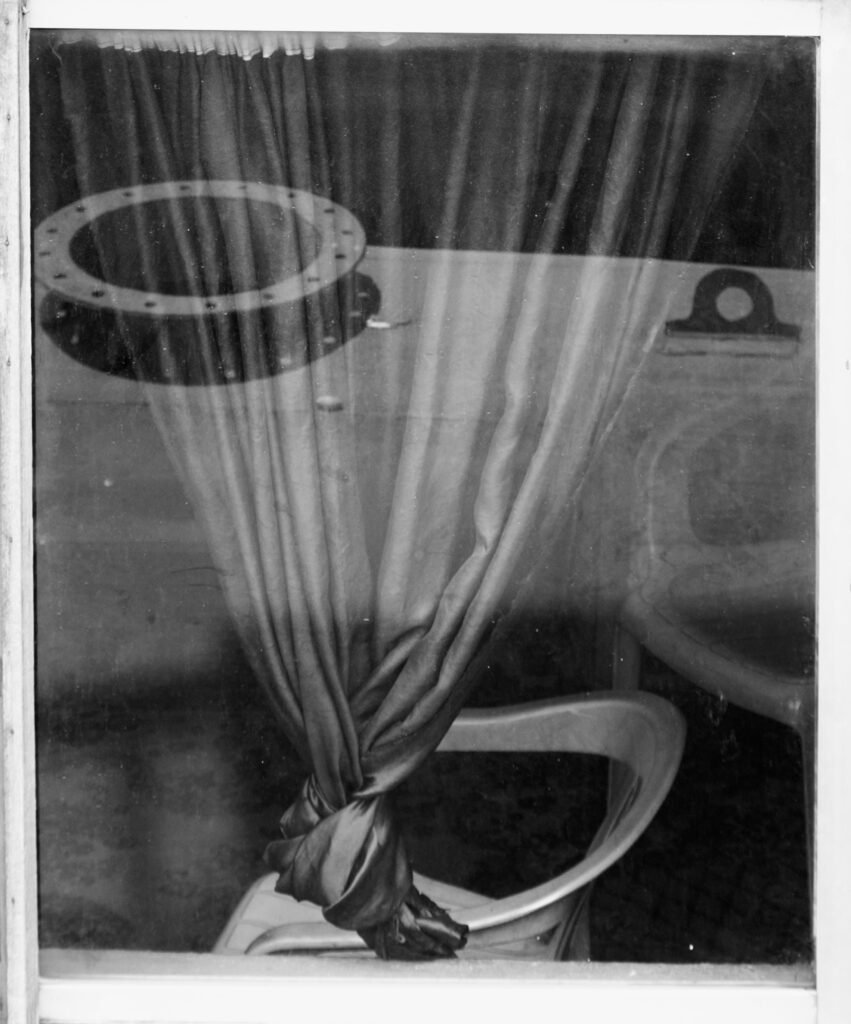
Many of your works are in black and white. Is there a specific reason you choose this style for most of your photography, or is it more about conveying a particular message or feeling?
I often say I don’t really know why, but black and white compels me the most although I photograph in colour too. I tend to follow the charge an image gives off. At the same time, I’ve always been drawn to the expression ‘truth is black and white.’ And as an artist who believes that every creative effort is an attempt to probe our core essence, where truth is situated, black and white carries a much more transparent emotional weight for me.
What role does technology play in your creative process? Do you ever feel that it interferes with or enhances the authenticity of your work?
Technology always exists in an in-between space—part play, part innovation. Anything that helps me engage those two states becomes a form of technology within my creative, multi-disciplinary process of thinking and imagining. My goal is to interact with images in ways that push me toward invention or open up new possibilities for what I can create.
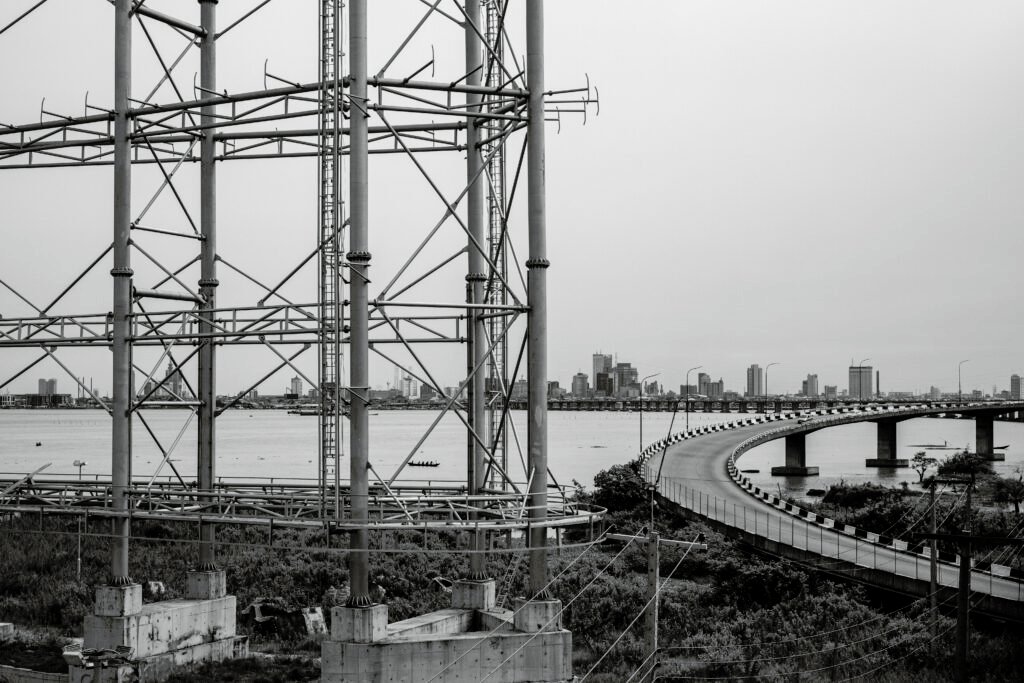
In your opinion, what role does photography play in challenging or reinforcing cultural perceptions?
In my practice, I am constantly navigating ironies and notions of otherness; places where the most compelling questions tend to reveal themselves. I see my work as a contemporary echo of the African and West African photographers of the 19th to early 21st century, yet also as a resistance to what already exists. Each person holding a unique lens to their own reality helps to shape or challenge our broader cultural understanding. Much like the literal shifting of perspective in the photographic process, photography becomes a cultural dance across viewpoints. The artist must also ‘dance’ to discover what they wish to reinforce or question, and it is in that movement that a practice finds its direction.”
As we conclude, is there a message or thought you’d like to share with the next generation of photographers, or a piece of advice that’s guided you in your journey?
Talk less! Do the work! When everything else finds you, you have something to show. The work is what keeps you and pushes you into the future.
Connect with Chris Iduma:
Instagram: chrisiduma
Interview by Behnam Raeesian
………………….
Curious about what inspires today’s artists?
Benedikte Bjerre Illuminates the Quiet of Things
Farzin Foroutan: Camouflage Through the Lens